Atlanta proper is office towers, storefronts, brick warehouses, apartment buildings and hundred-year-old bungalows on one block. The door that suits one is wrong for the next.
Free written estimateSame-day when we canFrame checked first
FreeWritten estimates
12Services, one crew
12Metro Atlanta towns served
Same-dayService when the schedule allows
Atlanta homes
A lobby, a loading dock and a 1920 bungalow do not want the same door.
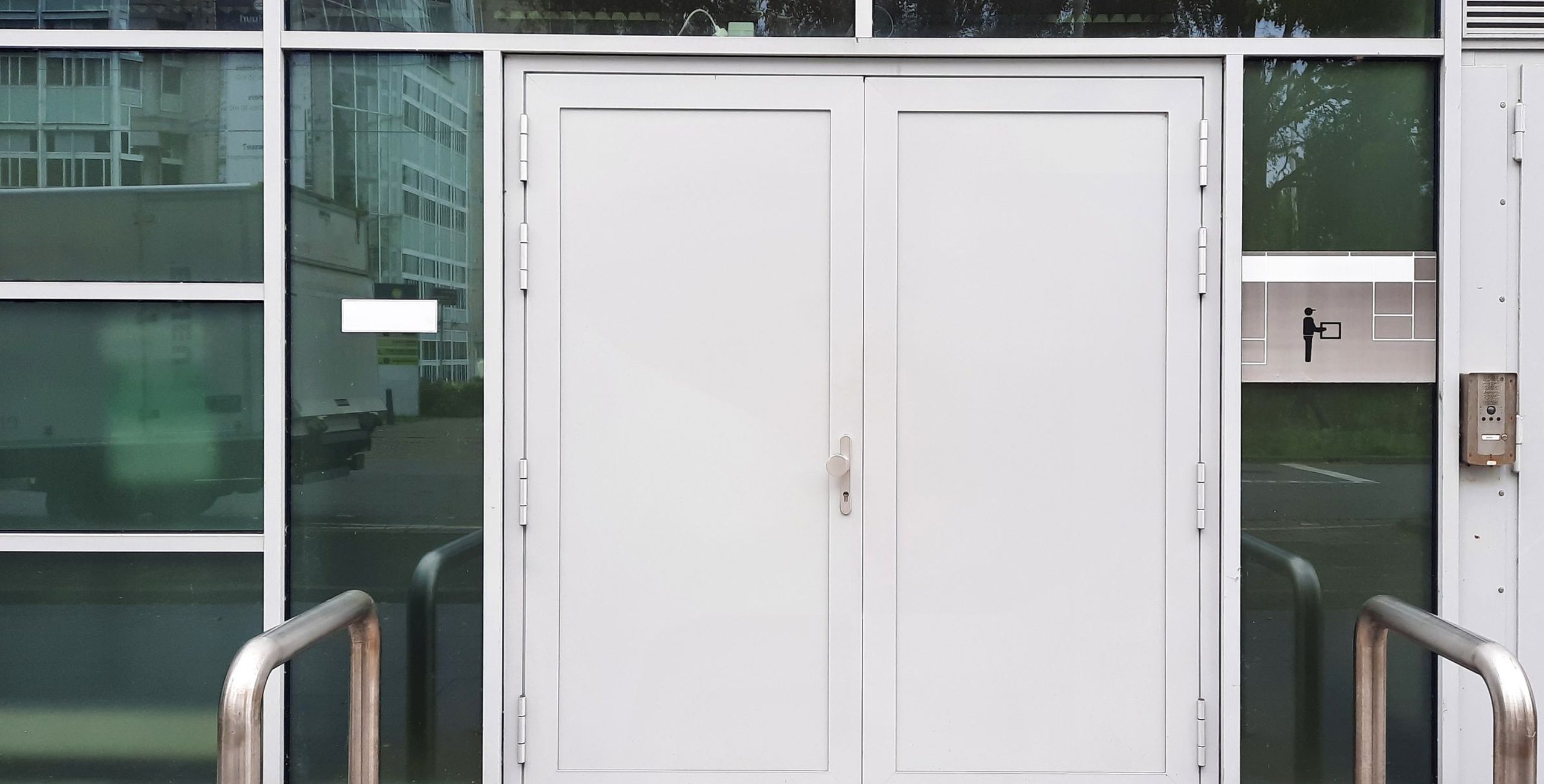
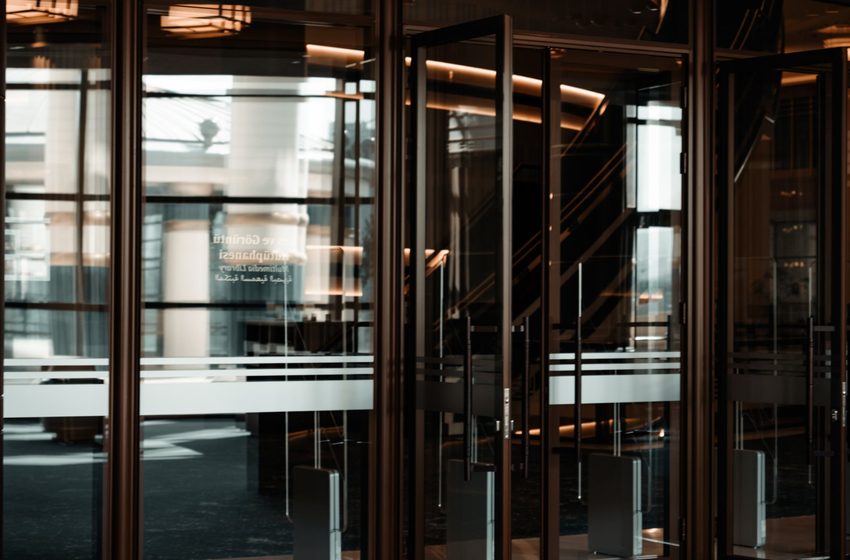
Atlanta proper is the densest mix of buildings we work in. Midtown and Downtown along Peachtree Street are office towers with building-standard suite doors and ground-floor retail behind aluminum storefront doors that cycle thousands of times a week. The tower's property manager owns the door problem: closers that slam or fail to latch, pivots worn until the door drags, a suite that needs a reader for after-hours access, and a rekey at every tenant turnover, cut inside the building's master key system so the engineer's key still works. We do that work on the building's schedule and put every door on its own line of the estimate.
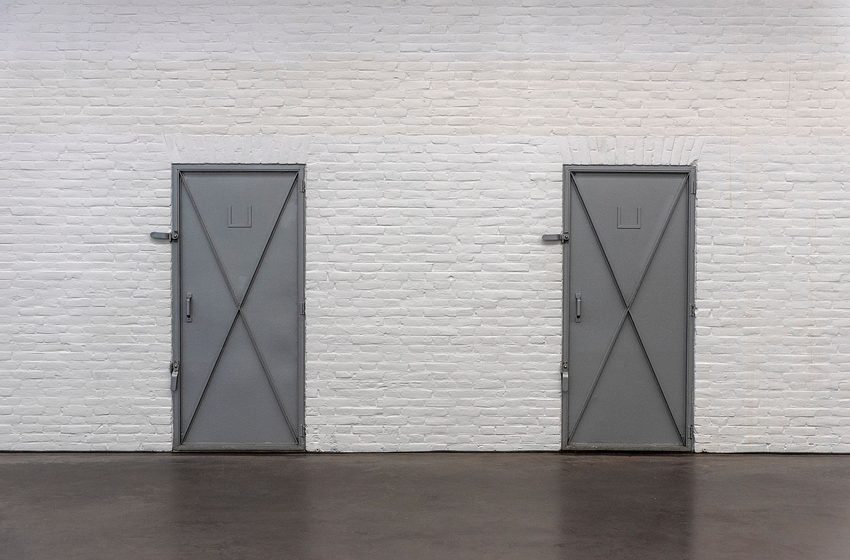
The Westside is a different building. The brick warehouses along Howell Mill Road and Marietta Street were built for freight, and many of them now hold restaurants, breweries and offices while others still ship. Either way the personnel door beside the dock is hollow metal in a frame that has rusted at the bottom, with a closer that no longer pulls it shut, and the openings in a converted building are rarely a standard size. We measure the opening rather than order from a chart, and on a restaurant the back door onto the alley gets an exit device and a closer that latches, because the door that is propped open is the door that gets walked through.
East of Downtown the houses are older than almost anything else in the metro. Grant Park, Inman Park, Cabbagetown, Kirkwood and Candler Park are Victorians and Craftsman bungalows from the 1890s to the 1920s, with wood entry doors in jambs that have moved for a century and deadbolts bored in decades after the door was hung. A new entry door here means a frame that is out of square and a threshold that may be rotted under the paint, so it is measured and checked before it is ordered. Several of these neighborhoods sit inside Atlanta's historic districts, where a street-facing change on a contributing house can need review; we check the district guidance before an entry door is ordered, not after.
Apartment buildings run through all of Atlanta, from Midtown high-rises to garden apartments off Ponce de Leon and converted lofts on the Westside, and they are where doors, locks and security meet. Stairwell and corridor doors are fire-rated and need their label, a closer that latches them and the annual inspection; the buzzer panel at the entry is usually half dead and gets replaced with a video intercom wired to the new door release; cameras go at the entry, the mail room and the garage; and every unit is rekeyed at turnover. A property manager can put a whole building on one schedule with us and get a written estimate per door. Atlanta is the middle of where we work, so same-day service is more often possible here than at the edges of the metro.
Why Atlanta property managers and homeowners call us.
A high-rise lobby and a bungalow porch are both an entrance, and the same things decide whether either still works a year from now. Here is what is on every Atlanta job:
Free written estimate, itemized by door and hardware
Same-day service when the schedule allows
Doors, locks, access control and cameras from one crew
Every opening measured before a door is ordered
Historic district guidance checked before a street-facing door
Fire-rated doors hung with the label and closer they need
Keyed-alike and master key systems planned before a cylinder is cut
Every key accounted for after a rekey
Good to know
Atlanta questions we get asked.
Not seeing yours? Call (470) 691-8439 and just ask — we're happy to help.
My storefront door on Peachtree drags and no longer latches. Repair or replace?
Usually repair. On an aluminum storefront door the pivots, the closer and the bottom rail wear long before the door itself, and the frame is often fine. We look at the door, the closer and the threshold together and put both options in the written estimate, with the repair priced first.
I manage an apartment building in Midtown. What do you do at a turnover?
Rekey the unit door so the old keys are dead, check the closer and the strike, and note anything else on the door for the work order. On a building with a master key system the new unit key is cut inside the system so your master still works. We can put every unit on one schedule and bill per door.
My house in Inman Park is in a historic district. Can I replace the front door?
Yes, and on a contributing house the street-facing side can need review before the door changes. We check the district guidance before anything is ordered: a like-for-like replacement is usually straightforward, a different style or material may need a decision first. Better to raise it at the estimate than after the door is on the truck.
Can you put a panic bar on a restaurant back door and still keep it locked from outside?
That is the normal setup: the exit device lets anyone out with one push, and the outside stays locked, with no outside trim or a keyed trim for staff. The closer that actually latches the door is the part that matters, because a back door that is propped open is the one that gets walked through.
Do you cover all of Atlanta?
Inside the Perimeter, yes: Midtown, Downtown, the Westside, Buckhead, the east side neighborhoods and the south side. Atlanta is the middle of where we work, so same-day is more often possible here than at the edges of the metro.
Free estimate
Door or lock work in Atlanta?
Send the form and we call you back the same business day with a time for a walkthrough or a same-day visit. Every number you get from us is in writing.