Access control · Metro Atlanta
Keypads, card and fob readers, electronic locks, mag locks and electric strikes for offices, stores, warehouses, apartment buildings and property managers across metro Atlanta. We check the door before we quote the reader. Free written estimate.
What we do
Access control is a lock that decides by credential instead of by key. The lock, not the reader, is where the job succeeds or fails, and the exit side is where it gets inspected.
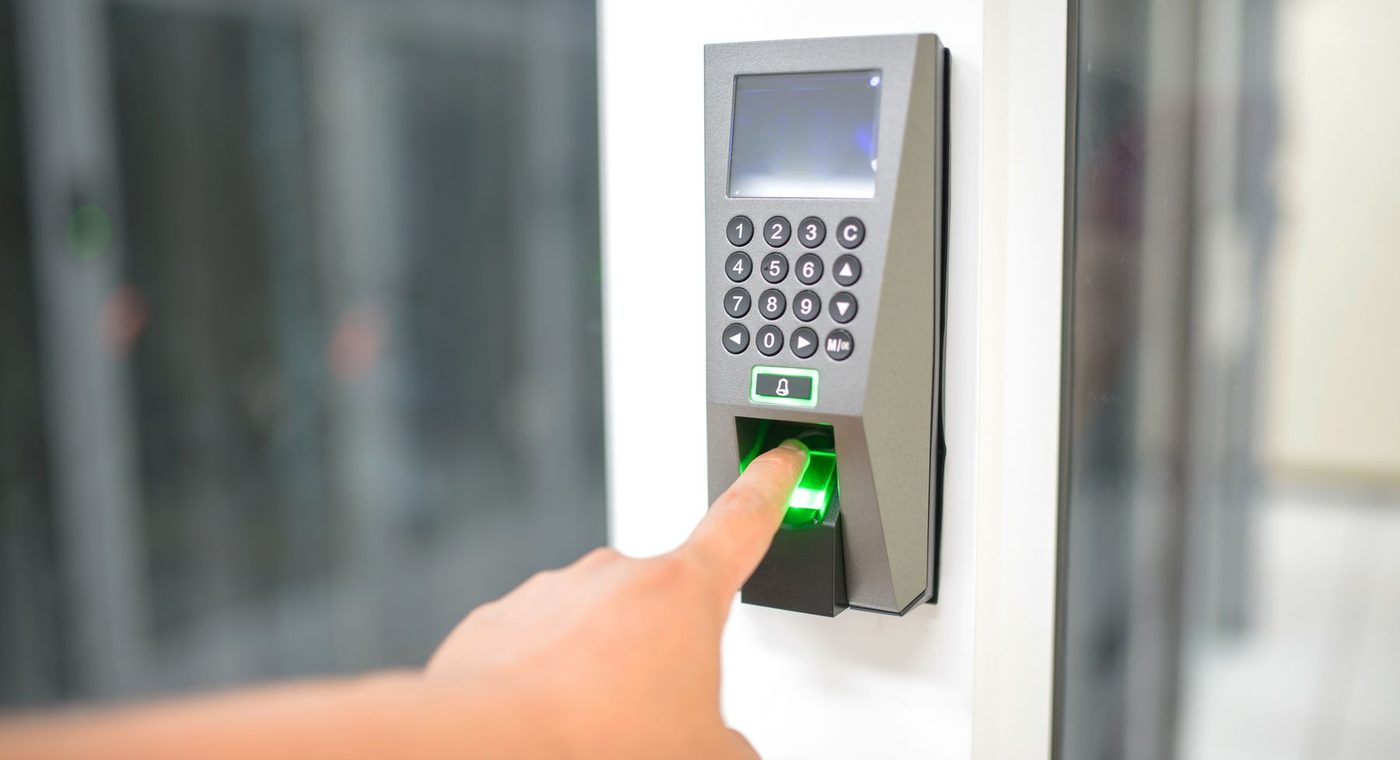
Standalone keypad locks for a single door: a code per person or per shift, changed at the keypad without a computer. The right answer for a back office, a stock room or a rental unit.
Proximity readers at the entry, credentials on a card or a fob, and a controller that records who opened which door and when. A lost fob is deleted in a minute; nothing is rekeyed.
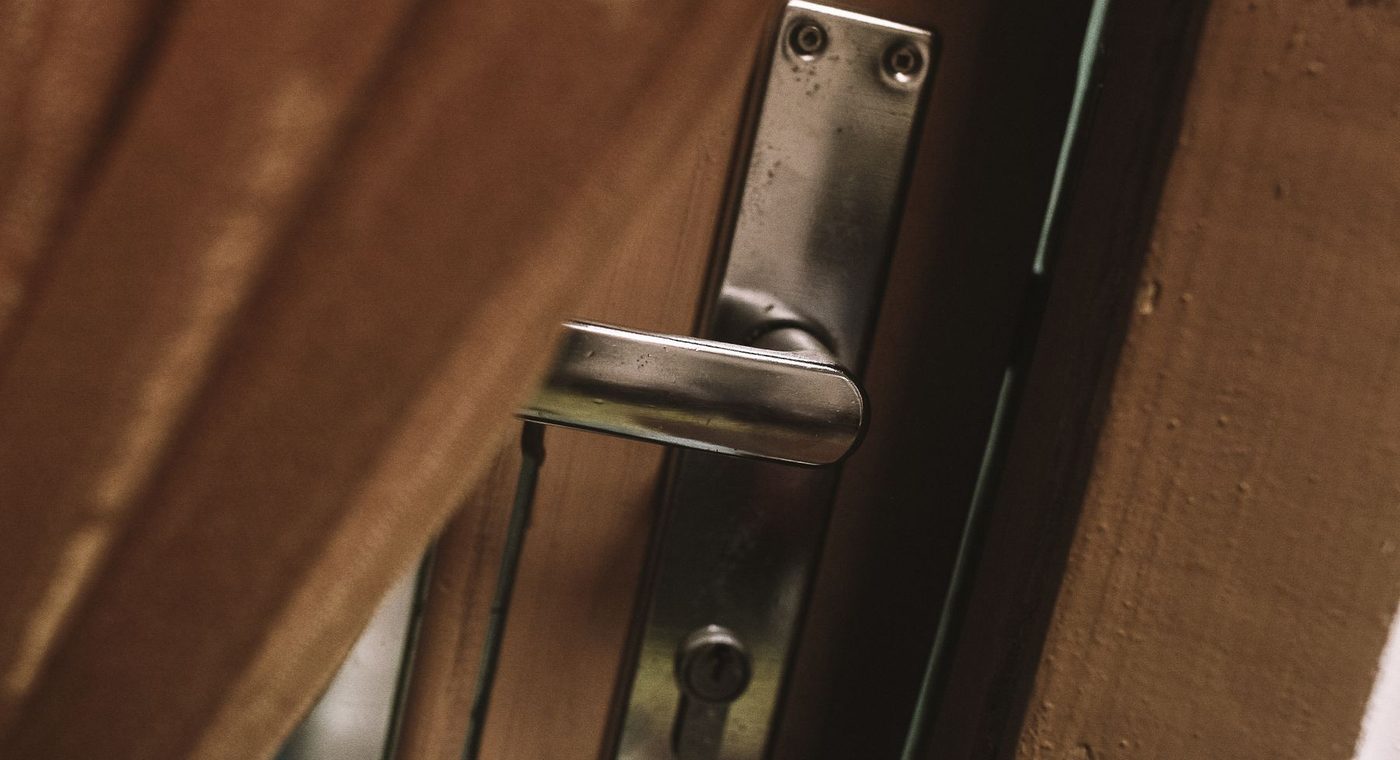
Battery or wired locks that replace the lever set on the door, on their own or tied into the system, so an existing door is controlled without running cable to it.
The frame-side answer: the strike releases and the existing lock and lever stay. It keeps the mechanical key as a backup and the exit side works exactly as it did before.
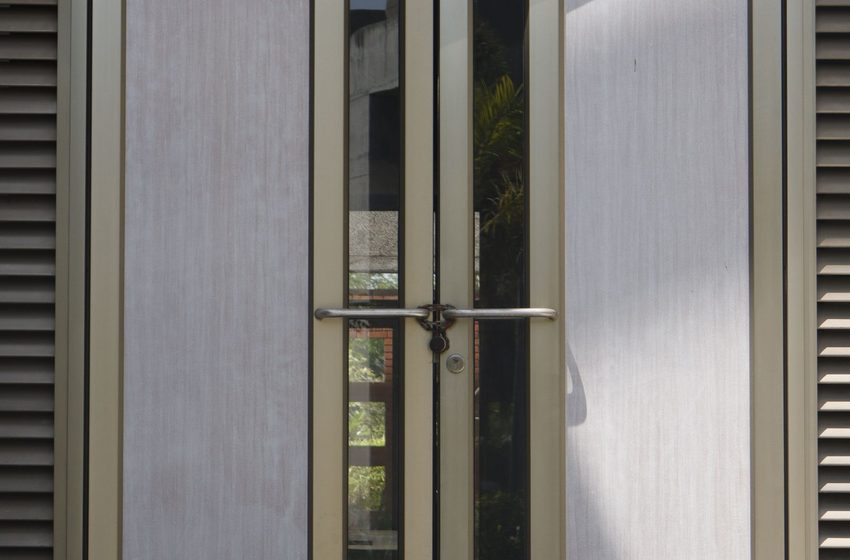
Magnetic locks for glass doors and doors with no place to cut a strike. Strong, and the ones an inspector looks at hardest, because the exit side needs a release that works without power.
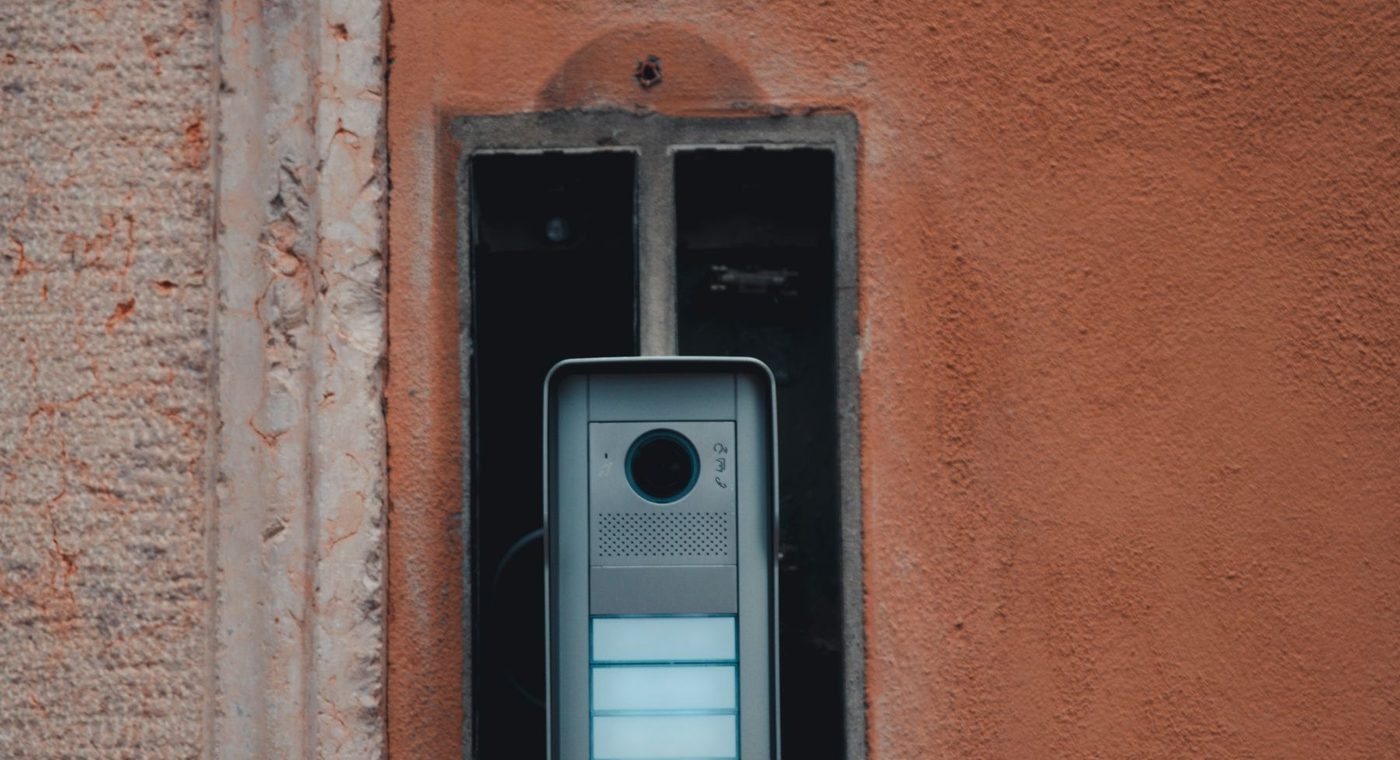
Controllers for a floor or a building, with schedules per door, a tenant or contractor credential that expires on a date, and reporting for the property manager. Intercom and cameras tie in when you want them.
How we work
A hollow metal door with a mortise lock, an aluminum storefront door and a wood office door each take a different locking device, and a reader bolted next to the wrong one is a door that works for a month. We look at the door, the frame, the existing lock and how it closes, and pick the strike, mag lock or electronic lock first. The reader and the credential come second, because any reader will work with any of them.

The exit side is what gets a system failed, not the entry side. A mag lock needs a way out when the power drops and a way out when it does not: a request-to-exit sensor or a push bar tied to the lock, plus the manual release the fire marshal expects. We wire it so the door releases on power loss where the code calls for it, and we test it by pulling the power, not by reading the spec sheet.

Credentials are enrolled, schedules set, and the door tested from both sides with the power on and off. Then we sit with whoever manages the building and add a user, delete a user and pull a door report together, so you are not calling us for every new hire. The written estimate says which parts we installed; the closeout says how the system is configured.

Why homeowners choose us
The reader is the part you see. Whether the door locks reliably and still opens in a fire is decided by everything behind it:

The quote
The number is mostly the locking device and the cable run per door, then the controller and readers once per system. One standalone keypad and a twelve-door building are different jobs, and the estimate itemizes both by the door.
Good to know
Not seeing yours? Call (470) 691-8439 and just ask — we're happy to help.
A keypad is cheapest and needs no credentials, and its weakness is that codes get shared. Cards and fobs are canceled one at a time when someone leaves, and a system with a controller tells you who came in and when. For one back door, a keypad; for a staff entrance or a building with tenants, readers. We ask how many people use the door and how often they change before we recommend.
An electric strike replaces the strike plate in the frame and releases the latch of the lock already on the door; the key still works and the exit side is unchanged. A mag lock holds the door with an electromagnet, needs power to stay locked and needs an exit release wired in. We use a strike wherever the door allows it and a mag lock where there is nothing to cut a strike into, such as an all-glass door.
That depends on a decision made per door. Fail-safe hardware unlocks without power, which a fire exit usually requires; fail-secure hardware stays locked, which a server room usually wants, with a key as the backup. A battery backup covers short outages. We decide it door by door with you and write it into the estimate, because it is the question an inspector asks.
Usually. An electric strike keeps your existing lock and lever, and an electronic lock replaces the lever set only. The exception is a door that does not close and latch on its own: access control on a door that stays ajar is a reader on an open door. We fix the closer or the hang first, and the estimate says whether that is needed.
Yes. Each unit gets its own credentials, a moved-out tenant's fob is deleted the day they leave, and a contractor's credential can expire on a date. Add a video intercom at the entrance and visitors are let in by the resident from a phone. Property managers get the door log and the user list without calling us.
It can. A door event can pull up the camera clip, and an intercom release can go through the same controller. We install intercoms and cameras too, so one estimate can cover the whole entrance; we tie them together only when you want the reports in one place.
Worth reading first
Access control for a small office or store: what sets the price — doors, readers, credentials, locks, wiring, software — and how to keep the number down.
Read it → Security camerasNVR and DVR explained: what each records, the cameras and cable behind them, which a new installation gets and why, and how remote viewing works on each.
Read it →Where we work
Based at 3850 Holcomb Bridge Rd, Peachtree Corners, GA 30092, serving the communities below.
Not sure if you're in range? Give us a call — if you're nearby, we'll take care of you.
Free estimate
Send the form and we call you back the same business day with a time for a walkthrough or a same-day visit. Every number you get from us is in writing.