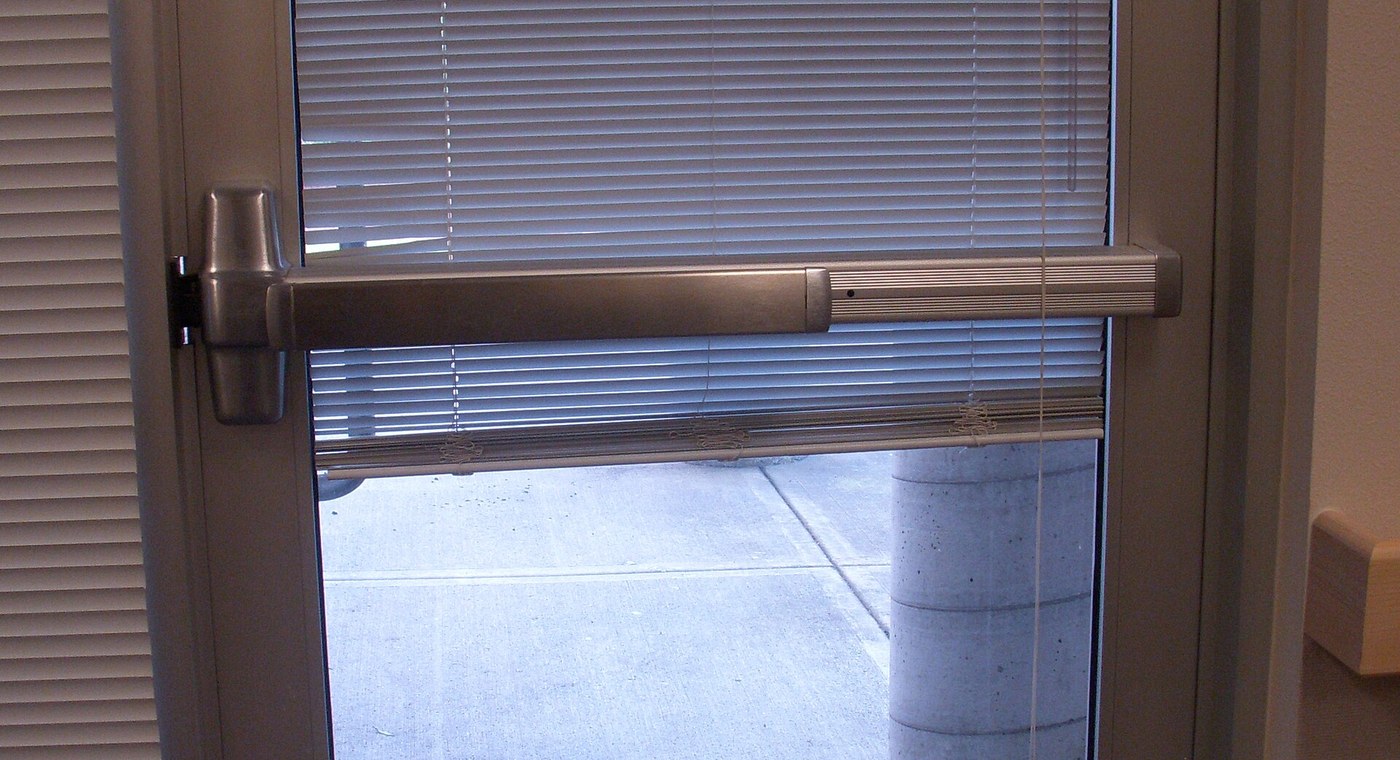
Panic bar replacement · Metro Atlanta
Panic bar replacement and repair for stores, offices, warehouses and apartment buildings across metro Atlanta: crash bars that stick, push bars that will not latch, exit devices that stopped working. Free written estimate; same-day when the schedule allows.
What we do
Most exit device repair calls are one of a handful of faults. Some are an adjustment, some a part, and some mean the device has done its years and should be replaced. We tell you which before any work starts.
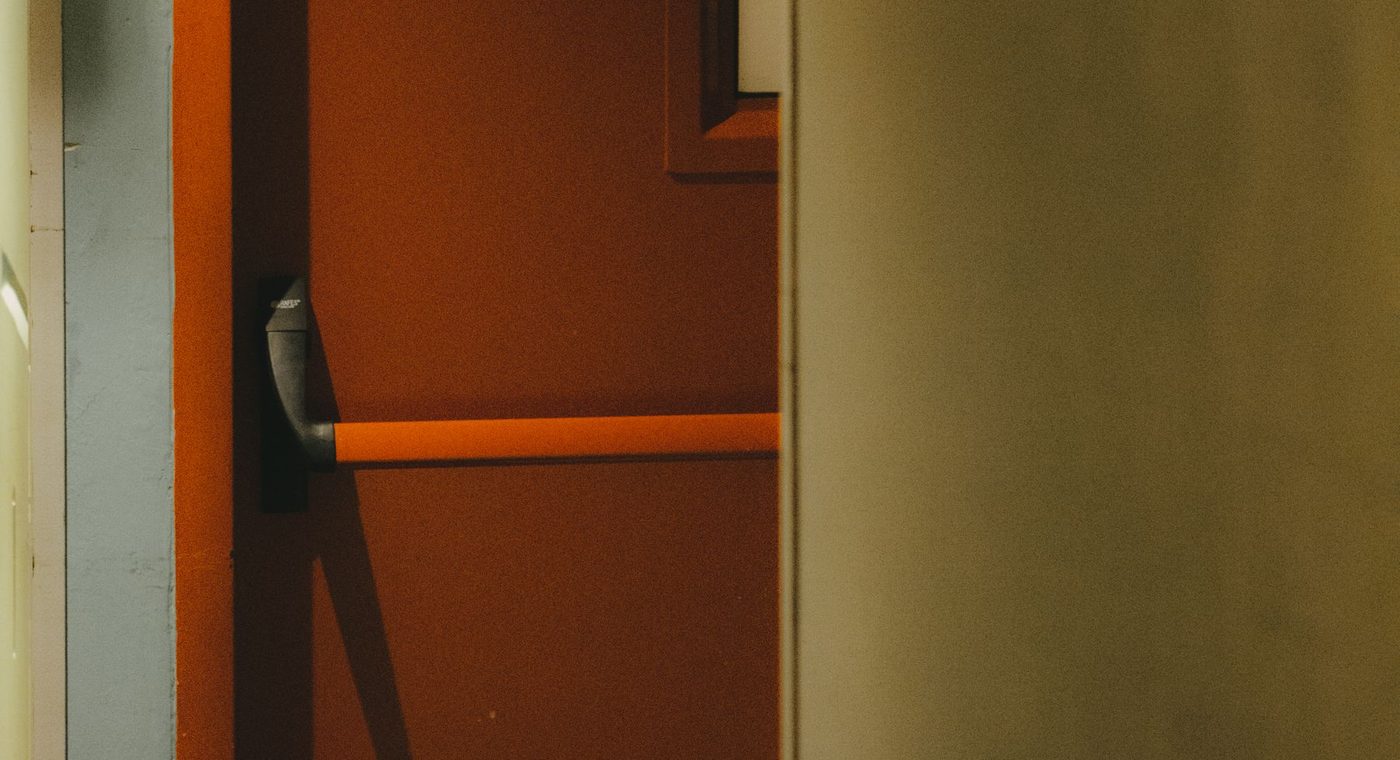
A crash bar that has to be pushed twice, or leaned on, usually has a dry or bent mechanism, a loose mounting, or a latch dragging on the strike. We clean, adjust or replace the worn part until one ordinary push opens the door.
A push bar that no longer catches is often not the bar at all: the strike has moved, the door has sagged on its hinges, or the closer is not bringing it all the way home. We find which, and fix that.
On pairs and tall doors, the top and bottom rods wear, bend or drop out of their strikes, and the door either will not latch or will not release. We reset the rods, replace bent ones, and check the bottom latch against the floor.
End caps, touch-bar covers, dogging hardware, latch bolts and outside trim wear out or get knocked off. Where the part is still available for your device we replace it; where it is not, we say so.
A device that is cracked, rusted through, or has had its mechanism repaired too many times is replaced with the right type for the door: rim, vertical-rod or mortise, and fire exit hardware where the door is rated.
Outside key cylinders and pulls that no longer retract the latch, and alarmed exit devices that sound when they should not, or stay silent when they should sound, are repaired or replaced with the device.
Adding exit devices, or a door that will not close? Panic bar installation and closers · Door closer installation
How we work
An exit device is the last link in a chain: the hinges hold the door, the closer brings it home, the strike catches the latch. When a push bar stops latching, we check the hinges for sag, the closer for leaks and sweep, and the strike for movement first, because replacing a good device on a door that is out of square only moves the problem.

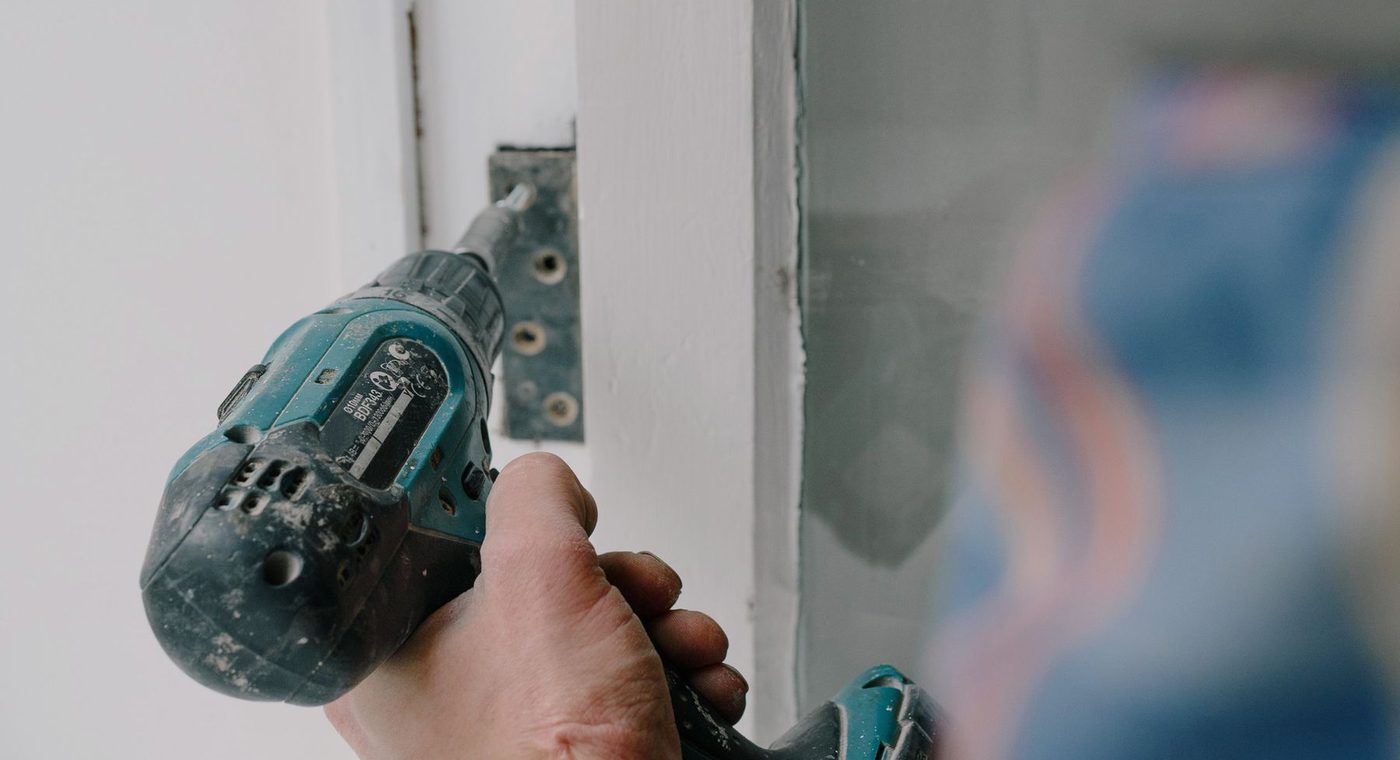
Many panic bar repairs are an adjustment and a part: a latch bolt, a spring, a rod, a strike reset. When the mechanism itself is worn out, or the device is the wrong type for the door, we tell you replacement is the honest answer and put both numbers in the written estimate.

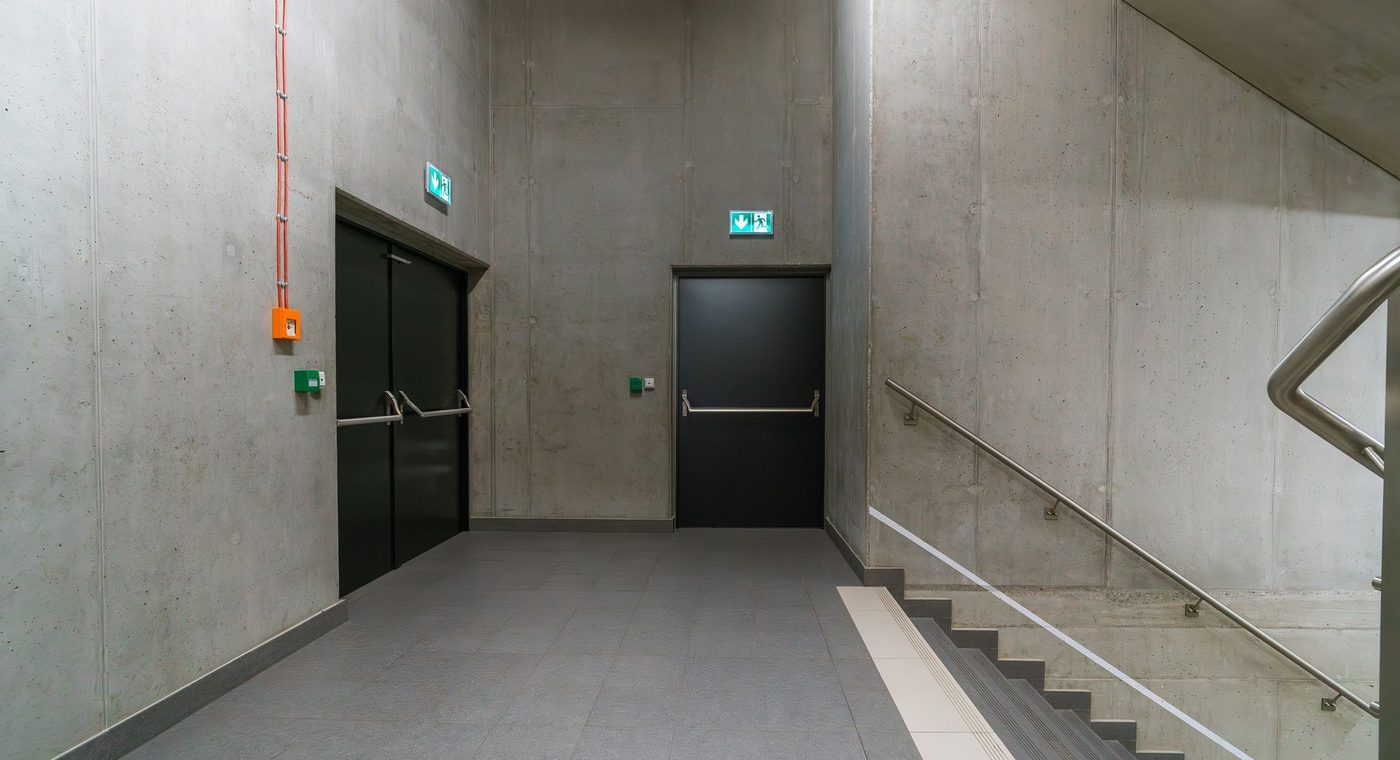
When we leave, the bar releases the latch with one push from inside, the door swings clear, the closer brings it back and it latches on its own, every time. On a fire-rated door, the device is fire exit hardware and nothing holds it unlatched. Any chain, hasp or extra lock added to the exit is pointed out to you, because it defeats the repair.

Why homeowners choose us
Panic bar repair is small work with serious consequences. On every call:

The quote
A repair that is an adjustment or one part costs far less than a new exit device. The written estimate names which one your door needs, and the price of the other, before we start.
Good to know
Your question is not here? Call (470) 691-8439 and put it to the crew directly.
Often it can be repaired. A bar that sticks, a latch that does not catch, or a rod that dropped out of its strike is usually an adjustment or a part. Replacement is the answer when the mechanism is worn out, the housing is cracked or rusted through, parts are no longer made for the device, or it is the wrong type for the door. We put both in the written estimate when both are possible.
The make and the type, rim, vertical-rod or mortise, which tell us whether the part is a common one or has to be ordered. A common part is usually fitted on the first visit; an ordered one means a second visit, and we tell you which on the first.
Usually the latch is binding on the strike because the door has sagged or the strike has moved, or a vertical rod is out of adjustment and the top latch is not releasing. Sometimes the mechanism inside the bar has failed. An exit that will not open is a life-safety problem: keep another exit available and call us first thing.
Not always. The most common causes are a closer that is not bringing the door all the way home, a strike that has shifted, or hinges that have worn and let the door drop. We check all three before we touch the device, because a new panic bar will not latch a door that is out of square.
Yes, with fire exit hardware, which is tested to keep the door latched in a fire and cannot be dogged open. We read the label on the door before we choose the replacement. A plain panic device on a rated door voids the door's rating.
No. An exit door has to open from inside with one push, without a key or special knowledge, whenever the building is occupied. A chain or padlock on an exit is one of the first things an inspector writes up. Call us and we will come out same-day when the schedule allows.
Worth reading first
Panic bar requirements in plain words: which doors the code usually puts an exit device on, what the fire marshal checks, and what fails inspections.
Read it → Panic barsWhat sets panic bar installation cost: the device type, the door, a fire rating, outside trim, alarms and the prep work. How to compare two estimates fairly.
Read it →Where we work
Based at 3850 Holcomb Bridge Rd, Peachtree Corners, GA 30092, serving the communities below.
Your building is outside these towns? Call anyway: most of metro Atlanta is a short drive from the Peachtree Corners office.
Free estimate
Send the form and we call you back the same business day with a time for a walkthrough or a same-day visit. Every number you get from us is in writing.
Photos: “Panic bar” by Jonathan Clemens, CC BY-SA 3.0, cropped.